Project Journal
The Story I Have Carried for Twenty-Five Years
October 26, 2026
By Dan Neira
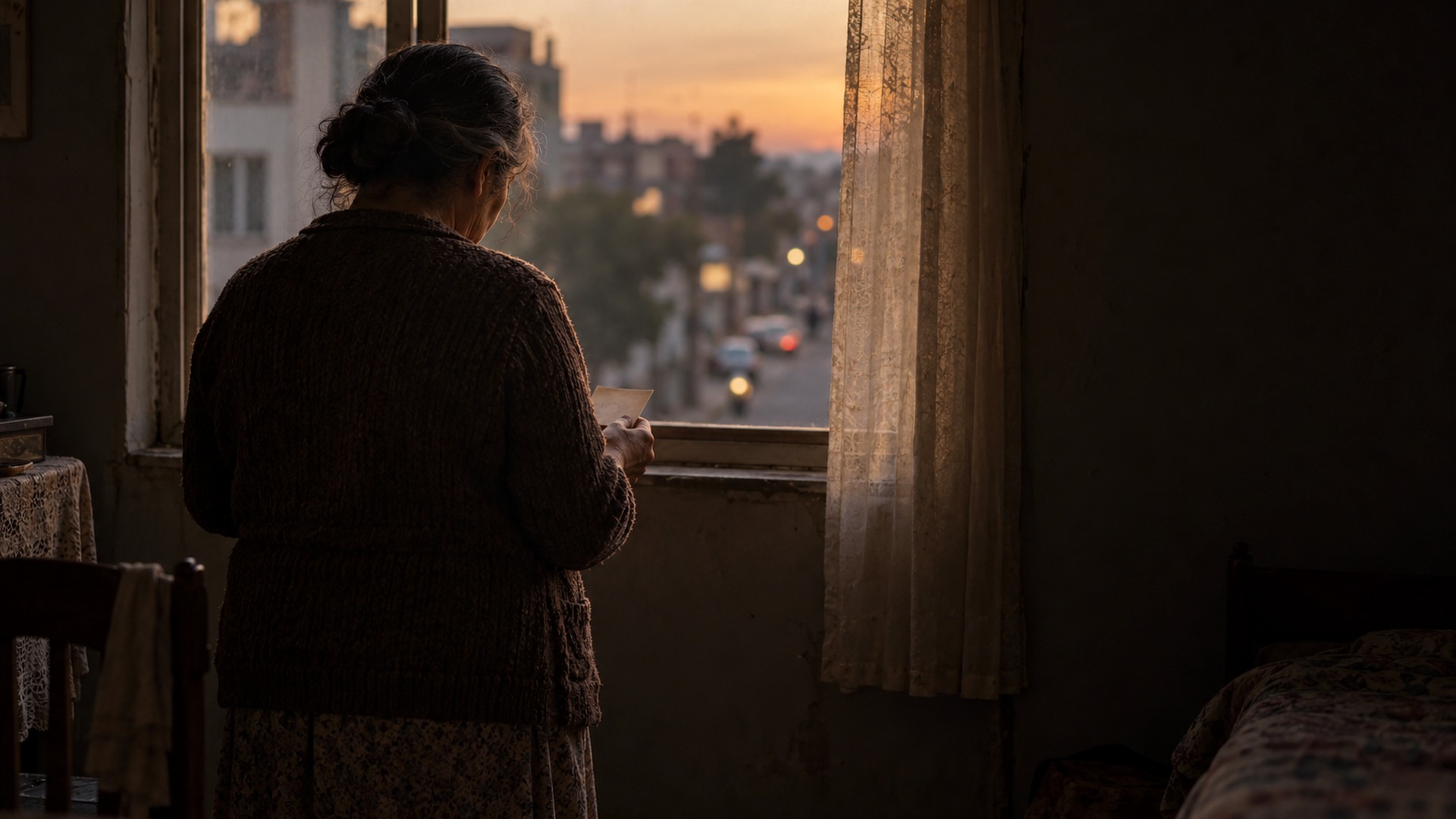
I was a student in Argentina when I almost got myself killed with a camera.
My parents had sent me back from the United States for college so I wouldn't lose my language. The country was starting to boil. I already wanted to make films, and I carried an SLR everywhere I went. On a trip with friends to a nearby city, a march came down the street, and I did what I always did. I raised the camera.
Two of the marchers saw me. They came straight at me. For all they knew, I was taking pictures for the government, and in Argentina in those years a photograph could get you killed. A schoolmate, a little older and a lot wiser, stepped between us and talked them down.
I've never forgotten their faces. What I saw there was fear. Not of me. Of being recorded. Of ending up in a file.
What Came After
I left before the coup. The worst came after, mostly out of sight.
The dictatorship took the children of its prisoners and gave them to other families under false names. The grandmothers of the Plaza de Mayo spent decades finding them, one blood sample at a time. Some of those children grew up, married and had children of their own before anyone told them who they were.
That history is part of me. I know what it means when a system decides some mothers don't count.
And it wasn't only Argentina. In Chile, in Colombia, and in other countries, babies were taken from mothers who were told their children had died. Many of those children were sent abroad, to the United States and to Europe, with papers that said they were orphans. Some of them were. Many were not.
This isn't a closed chapter. In 2025 a government inquiry in Sweden found fraud and abuse in its international adoptions, including adoptions from Colombia. The same year, a judge in Chile brought charges against people accused of taking babies from their mothers. There are grown men and women alive today, in Los Angeles and Stockholm and a hundred other places, who still don't know.
Where It Started
I wrote the first version of this story in 2001. I had spent months inside a community clinic in Los Angeles, shooting commercials and trying to get a reality show off the ground. I watched who came through that door. Housekeepers. Gardeners. Cooks. People who kept half the city running and couldn't afford to get sick.
And I saw the same fear I had seen in Argentina. People more afraid of the paperwork than the pain.
I'm not a doctor. My brother is. Dr. Sergio Neira. In those early drafts I leaned on him hard, on what a hospital actually looks like from the inside, how a surgeon thinks, what the body gives away when nobody is asking. Every medical page I wrote went past him first.
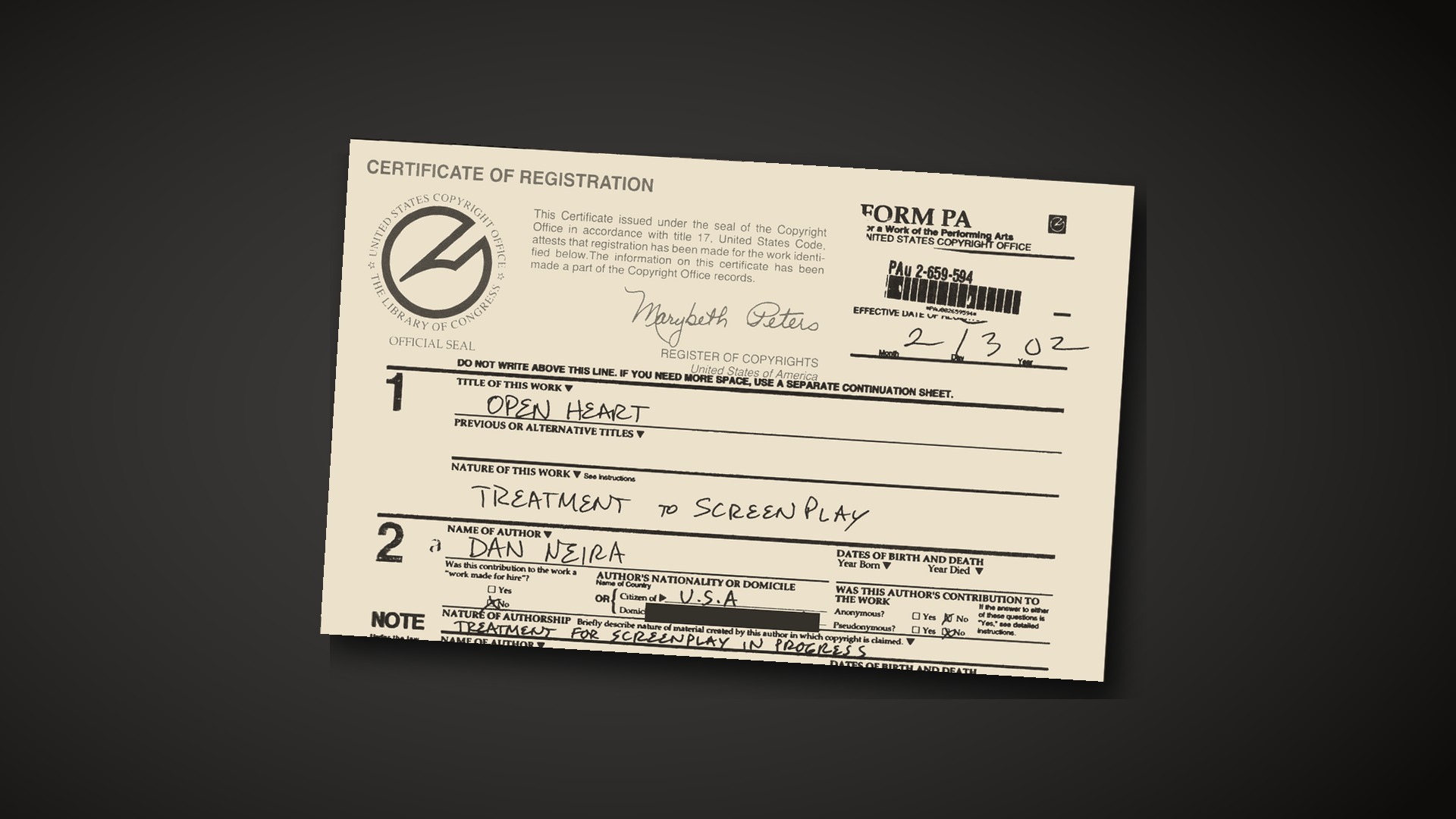
The next year I wrote Open Heart, and I registered it. Then life happened, the way it does. I made other films. I built companies. But I never let this one go. I've carried it for twenty-five years.
Why It Took This Long
Part of it was me. Life got loud. Films, companies, a family, the ordinary business of keeping everything running. Open Heart went into a drawer more than once.
Part of it was the world. When I first wrote it, much of what I was writing about was still rumor and whispers. Now it's in government reports and court records. The people it happened to are finding each other, and finding their voices. The story I could only half tell then, I can tell now, carefully, without inventing anything that didn't need inventing.
But it never died. It sat there like a seed under the snow. Every few years something would push up through the cold, a news story, a conversation, a face in a waiting room, and I'd pull the pages out again. This year the ground finally thawed.
I'm not interested in making a political show. I'm interested in what happens to a mother, and to a child, when a system decides they don't count. That's not left or right. That's just true.
What I Can Say
Open Heart is a limited series, now in development at Cineira Studios. The series bible is finished.
That's all I'm going to tell you about the story itself for now. Not the characters. Not the plot. Some of that is about protecting the work. Most of it is about respect. Before anyone sees a frame of this, I want to sit down with the people who lived it, the mothers, the adoptees, the families still searching, and make sure I've earned the right to tell it.
When there is more to share, you'll hear it here first.
Twenty-five years. It was worth the wait.
Related